Multi-Channel Discoverability: Your Guide to Online Presence
Multi-channel discoverability helps your brand get found everywhere. Learn cross-platform marketing and social media SEO tactics to boost online presence.
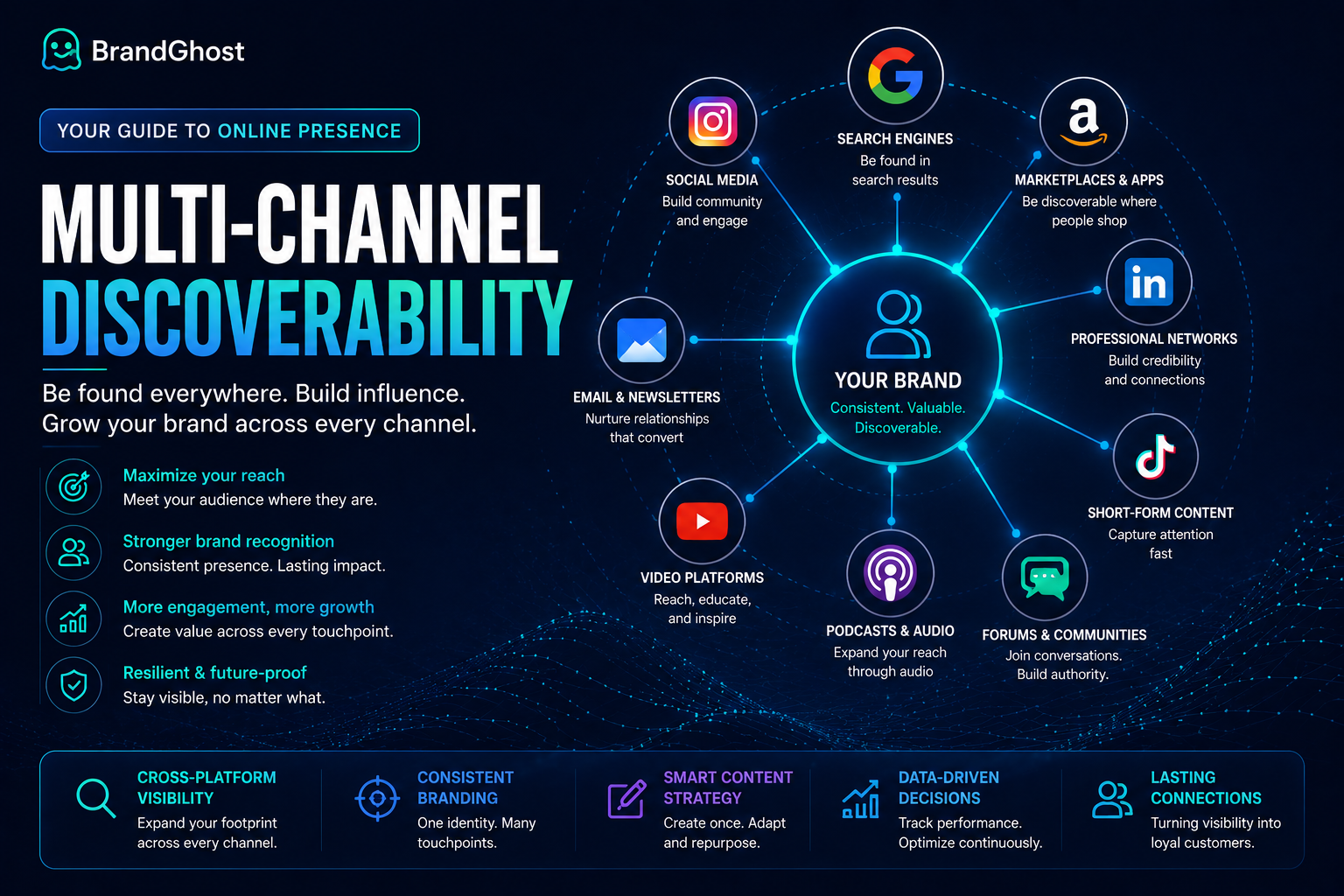
In today’s digital world, simply showing up on one platform rarely leads to the visibility or engagement most people hope for. Like most creators, you’ve probably noticed that an audience’s attention is spread far and wide—from social media to search engines, email newsletters, forums, and beyond. This is where multi-channel discoverability comes into play. The term refers to the ability to be easily found and recognized across multiple online touchpoints, which strengthens your online presence strategy and ensures your brand or persona remains visible regardless of where audiences interact.
Multi-channel discoverability isn’t just a buzzword; it’s a core concept for anyone aiming to build lasting connections in a crowded digital environment. Most brands and individuals realize quickly that relying solely on one channel often limits their reach, while being active and consistent across several can amplify brand visibility and open doors to new opportunities. That’s why aligning your online presence strategy to include cross-platform marketing, engagement tactics, and even social media SEO tends to work well for maximizing impact.
Why is reaching audiences across multiple platforms so essential? In most cases, people consume content in fragmented ways—checking Facebook while browsing Instagram, searching Google, reading email newsletters, or even joining conversations on specialty forums. The wider your digital footprint, the more likely you are to catch—and keep—the attention of those you want to reach. But these benefits don’t happen by accident. Cultivating multi-channel discoverability requires a strategic approach, consistent messaging, and deliberate effort to ensure your brand remains visible and distinct in each context.
In this article, you’ll find practical advice on shaping your online presence strategy for today’s multiplatform reality. We’ll dive deeper into defining multi-channel discoverability, explore its value versus a siloed or single-channel approach, and offer suggestions for building a robust, interconnected digital presence. Later sections highlight tips for effective cross-platform marketing, social media SEO techniques, and proven engagement tactics that can help sustain visibility over time. Whether you’re a business owner, freelance professional, or simply hoping to boost your personal profile, you’ll gain insight into the strategies that foster discoverability across the digital landscape.
What is Multi-Channel Discoverability?
Many people discover that building a strong online presence is far more than just launching a website or posting on one social platform. Multi-channel discoverability means your brand, business, or personal identity can be easily found across a variety of digital channels—each serving its own purpose and audience. In practice, those who embrace this multi-layered approach often develop a more resilient and recognizable presence, compared to those who focus solely on a single outlet.
Most online journeys involve multiple touchpoints. For example, you may notice that a typical consumer first spots a product on Instagram, later finds a blog post via Google, and perhaps receives a follow-up email newsletter. When your presence is established across these channels, the likelihood of recognition and engagement tends to grow. That’s what multi-channel discoverability is all about: being accessible and recognizable wherever your audience happens to look.
Key Steps for Multi-Channel Discoverability
- Identify Your Core Channels: Determine where your audience spends their time online (e.g., Instagram, Facebook, LinkedIn, forums, email newsletters).
- Tailor Messaging for Each Platform: Customize your content style and tone to fit each channel while maintaining brand consistency.
- Schedule and Track Engagement: Create a calendar for regular posting and monitor responses to refine your approach.
- Leverage Content Repurposing: Adapt blog posts into social media snippets, videos, or infographics to expand reach.
- Monitor Results and Optimize: Use analytics tools to assess which platforms and content types yield the best outcomes, then adjust your strategy accordingly.
Following these steps helps ensure your multi-channel discoverability efforts are structured and effective, rather than scattered and overwhelming.
This concept stands in sharp contrast to the older, more siloed online presence where brands concentrated their efforts on just one platform—often hoping organic growth would carry them further. While that approach can still work for niche creators or hyper-local businesses, most people find that a broader reach is required for meaningful impact.
Key digital channels include websites, social media platforms (like Instagram, Facebook, X/Twitter, and LinkedIn), email marketing, search engines, and even forums or community groups. Each channel offers unique ways to reach, engage, and convert audiences. Organizations and individuals alike usually benefit from a presence that connects these dots, leveraging each channel’s strengths and compensating for its limitations.
Ultimately, the goal of multi-channel discoverability is to make sure your brand doesn’t just exist but is easily noticed and remembered, no matter how or where people encounter you online. While it might feel overwhelming to manage so many touchpoints, taking a strategic, deliberate approach generally helps create a cohesive, compelling online identity. If you’d like to explore how digital channels complement each other, you can often find guides and opinions from experienced marketers who stress the value of cross-channel strategies.
Building an Effective Online Presence Strategy
Most people soon realize that successful multi-channel discoverability doesn’t happen by accident—it’s often the result of careful planning and a thoughtful online presence strategy. One common starting point is identifying your target audiences and figuring out which platforms matter most to them. Spending a bit of time upfront learning where your ideal audience “hangs out” usually pays dividends in the long run.
Setting measurable goals is another foundation piece. You might aim for increased brand visibility, higher engagement rates, or broader cross-platform reach—whatever aligns best with your broader objectives. For many, it helps to track progress as you expand to new channels, ensuring that each platform contributes in a meaningful way to your overall presence.
Brand consistency is a theme many marketers and creators stress. It’s tempting to tailor your messaging for every channel, but maintaining a core identity across platforms typically leads to better recognition and trust. Colors, logos, tone of voice, and even posting cadence should remain familiar, no matter where someone encounters your brand. Most successful online presence strategies weave a consistent story, making it easier for audiences to identify and connect with you.
Choosing which channels to prioritize can sometimes feel overwhelming. A common recommendation is to focus on those with the most potential for your particular goals—and expand outward once you’re comfortable with the basics. Whether you’re a business reaching out on LinkedIn while interacting on Instagram, or an individual sharing expertise across forums and blogs, the key is intentionality. Deliberate, well-aligned actions tend to lead to stronger discoverability.
If you’re curious about proven approaches, you’ll often find blog posts and guides from digital marketing experts who illustrate how a multi-channel strategy can elevate your online brand. Above all, building an effective strategy is about connecting with your audience where they are—and creating pathways for them to find you, engage, and remember your message.
Cross-Platform Marketing: Amplifying Reach and Engagement
A lot of people recognize the critical role cross-platform marketing plays in driving multi-channel discoverability. Rather than relying on one medium, cross-platform marketing involves sharing clear messages—and sometimes repurposing content—across multiple channels. Many marketers find this approach not only increases brand visibility, but also deepens engagement as audiences encounter your brand in varied contexts.
One tactic that works well is content repurposing: taking a core message or asset and adapting it for the unique requirements of each platform. For example, a blog post might become a series of Instagram stories, a tweet thread, or a short video on LinkedIn. By tailoring your messaging, you’re more likely to reach people where they are, while reinforcing your core identity across touchpoints.
Synchronized campaigns and scheduled launches are another common tactic. Brands often coordinate posts across channels for major events, leading to a greater collective impact. However, with more touchpoints comes more complexity—tracking responses and engagement on each platform requires attention to detail. Many find that analytics help optimize these cross-platform efforts over time: by measuring which combination of platforms, content, and timings resonate most, you can refine your strategy for amplifying reach.
While the benefits are clear—increased visibility, greater engagement, and more robust brand recognition—cross-platform marketing isn’t always straightforward. You may notice challenges such as inconsistent messaging, signal dilution, or simply keeping up with posting demands. In most cases, starting with clear goals and processes, then measuring outcomes as you go, helps avoid common pitfalls.
Industry reports and analytics studies, such as those from Hootsuite and Sprout Social, provide detailed analysis of cross-platform marketing outcomes. If you’re interested in learning more, exploring analytics tools and campaign management practices can give you deeper insight into successful strategies. Above all, the goal is to amplify—not just exist in—each channel your audience uses.
Social Media SEO: Boosting Discoverability Across Networks
Many individuals overlook the impact of social media SEO when developing their multi-channel discoverability. It’s easy to think of search engine optimization as something strictly for websites, but in reality, social platforms thrive on complex algorithms that determine what content gets seen and by whom. Optimizing your social profiles and content can make a surprising difference—not only raising your visibility within the platform, but sometimes even helping your posts rank in traditional search engines.
A good place to start is by updating your profiles for clarity and discoverability. Most people find that including strategic keywords in bios, about sections, and descriptions helps algorithms surface their profiles for relevant searches. Consistency here mirrors the core principles of your online presence strategy—using brand names, hashtags, and even locations reliably across platforms can reinforce your discoverability. For example, aligning your username and handle across Instagram, X/Twitter, and LinkedIn makes it easier for someone to find and recognize you in different contexts.
When it comes to actual posts, several tactics tend to work well: using targeted hashtags, crafting descriptive captions, and tagging relevant collaborators all increase the likelihood that your content gets seen by a broader audience. Timing plays a role too; posting during periods of high activity often yields higher engagement, which in turn boosts algorithmic visibility. Many social media experts recommend a blend of planned content and responsive interaction—replying to comments, sharing trending topics, and leveraging platform-specific features.
It’s also worth noting that each social platform has its own best practices. For instance, Instagram prioritizes visual appeal; using alt text, geotags, and Stories highlights can help with both accessibility and search. LinkedIn relies heavily on keyword relevance in both personal profiles and company pages, while X/Twitter places value on hashtags and engagement signals like retweets. If you’re interested in platform-specific tips, comprehensive guides from sources such as Hootsuite’s social media SEO overview, and Sprout Social’s insights on boosting discoverability offer practical advice.
Ultimately, weaving social media SEO into your approach is a practical move for anyone intent on maximizing their brand visibility. With a little effort to optimize profiles, posts, and engagement tactics on each network, you may find your multi-channel discoverability improving across the web.
Conclusion: Advancing Your Multi-Channel Discoverability Journey
If you’ve followed the journey through the world of multi-channel discoverability, you’ve likely realized that today’s digital environment rewards an intentional, diversified approach to online presence. While it’s tempting to focus efforts on a single, familiar platform, experience often shows that audiences are anything but predictable—they split their attention across countless spaces, from social feeds and search results to inboxes and forums. Adapting your online presence strategy to embrace cross-platform marketing, consistent branding, social media SEO, and ongoing engagement can make all the difference in cutting through the digital noise.
Most people find that sustained visibility is rarely about a single tactical win—it’s about weaving together the strengths of multiple channels and remaining adaptable as platforms and audience habits evolve. Setting measurable goals, refining your messaging, and staying responsive to feedback help keep your efforts aligned and impactful. The path to robust discoverability requires both consistency and willingness to experiment with new tactics as digital landscapes shift.
Ultimately, nurturing your brand visibility and engagement tactics across various platforms puts you in a stronger position for long-term connection and recognition. Explore emerging best practices, keep learning about the nuances of each channel, and don’t be afraid to test new approaches that fit your values and resources. If you’re interested in expanding even further, many marketers suggest checking out advanced resources on cross-platform marketing, analytics, or online community management to help you grow. Multi-channel discoverability is an ongoing process, and every step toward greater visibility pays off in the connections you build and the audience you serve.
Frequently Asked Questions
What is multi-channel discoverability?
Multi-channel discoverability is the ability for your brand, business, or personal identity to be easily found and recognized across many online touchpoints -- search engines, social platforms, email, forums, and more -- rather than relying on a single channel for visibility.
Why is being present on multiple platforms important?
Audiences consume content in fragmented ways, moving between social feeds, search, email, and communities. A presence across several channels increases the chances of being seen and remembered, and it makes your visibility more resilient when any single platform's algorithm or reach changes.
How do I keep branding consistent across channels?
Maintain a core identity -- consistent name, handles, colors, logo, tone of voice, and messaging -- while adapting format and style to fit each platform's norms. Consistency builds recognition and trust, so audiences identify you quickly no matter where they encounter your content.
What is social media SEO?
Social media SEO is the practice of optimizing your social profiles and posts so platform algorithms -- and sometimes traditional search engines -- surface them to the right audience. It includes keyword-rich bios, descriptive captions, relevant hashtags, consistent handles, and engagement-friendly posting.
How do I measure multi-channel discoverability?
Look beyond single-platform rankings to cross-channel metrics: impressions and engagement per platform, brand mentions, reach, and how often audiences search for you directly. Analytics tools that aggregate data across channels help you see which platforms and content types perform best.