BrandGhost vs Hootsuite - Which Is Better for Staying Consistent?
BrandGhost vs Hootsuite comparison: which social media tool is better for creators? Features, pricing, and consistency for solo creators vs teams.
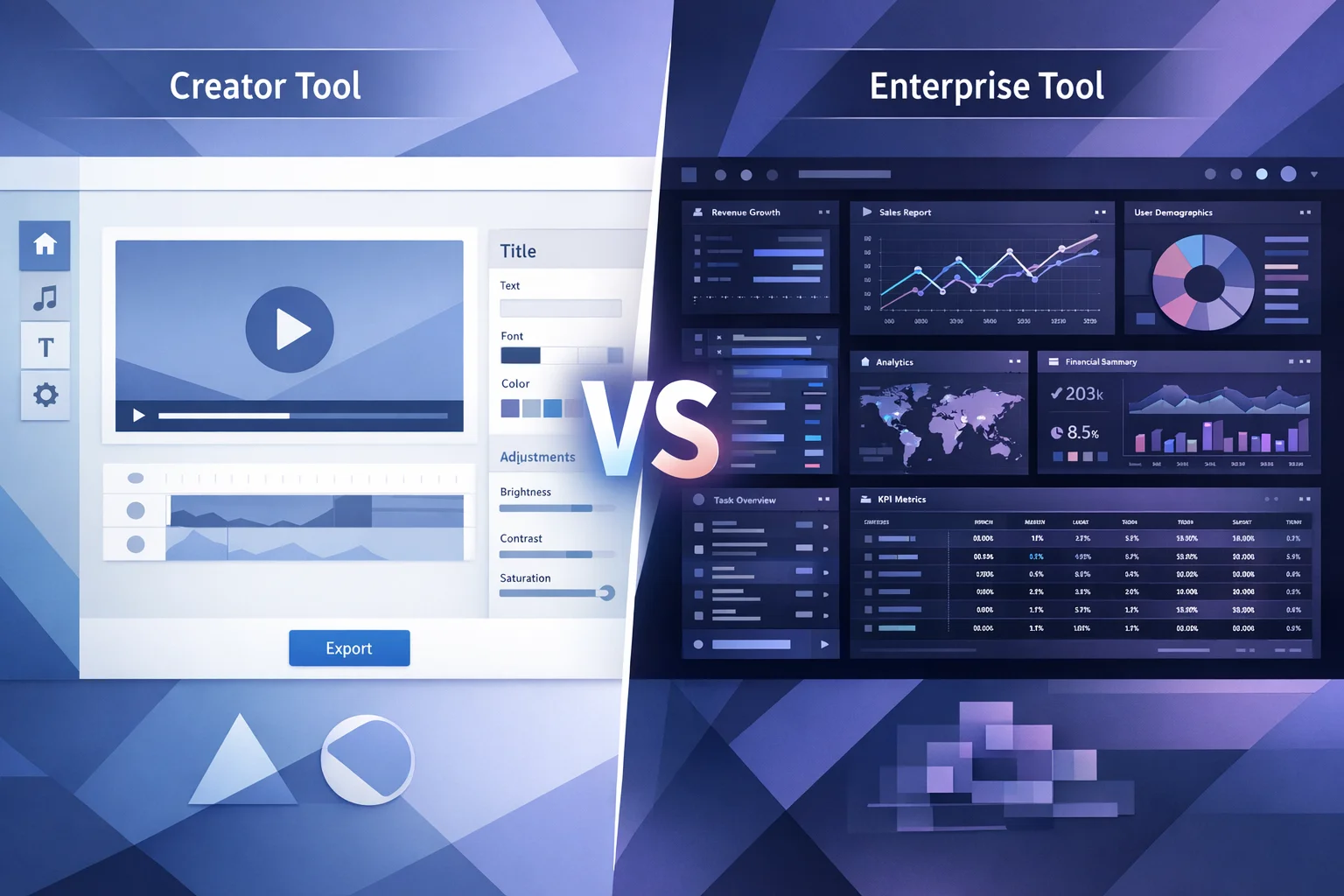
If you’re choosing between BrandGhost vs Hootsuite, you’re probably asking the wrong question.
It’s not “which is better”—it’s “which one fits how I actually work?”
Hootsuite is built for marketing teams who need analytics dashboards, approval workflows, and client management. BrandGhost is built for solo creators who post across multiple platforms and need consistency without the overhead.
This BrandGhost vs Hootsuite comparison focuses on one thing: which tool helps you stay consistent without making scheduling feel like a second job? For a broader overview of social media management tools, we have a comprehensive guide, but this article dives deep into these two specific platforms.
The Core Difference: Creator-First vs Team-First
BrandGhost assumes you’re a solo creator managing your own accounts. No approval chains, no team seats, no features you’ll never use. Just smart scheduling, cross-posting, and content repurposing.
Hootsuite assumes you’re managing brand accounts with a team. It’s built for agencies, enterprises, and marketing departments where multiple people need access and reporting matters.
If you’re working solo, Hootsuite’s strengths become distractions. If you’re managing clients or a team, BrandGhost won’t have the collaboration tools you need.
BrandGhost vs Hootsuite: Feature Comparison
| Feature | BrandGhost | Hootsuite |
|---|---|---|
| Cross-posting | 13+ platforms (Instagram, Twitter, LinkedIn, Reddit, Pinterest, Mastodon, Tumblr, Telegram, Discord) | 20+ platforms |
| Auto-split for threads | Yes (automatic thread splitting) | No |
| Topic Streams | Yes (recurring content themes) | No |
| First-comment scheduling | Yes | No |
| Team collaboration | Yes | Yes (multi-user, approval workflows) |
| Analytics | Post engagement metrics | Advanced dashboards, custom reports |
| Content repurposing | Yes (split long posts, remix formats) | Limited |
| Price (starting) | $10/month | $99/month (Professional) |
| Learning curve | Low (designed for speed) | Moderate (feature-heavy interface) |
| Best for | Solo creators, consistency-focused, Social Media Marketers Teams | Teams, Enterprise |
When BrandGhost Is Better
Choose BrandGhost if:
You’re a Solo Creator Managing Multiple Platforms
BrandGhost doesn’t waste UI space on team features. Everything is optimized for one person who needs to manage multiple social media platforms. Whether you’re posting consistently across three major networks or managing ten different accounts, the interface stays clean and focused on what matters: getting your content scheduled and distributed efficiently.
The platform is built around these core workflows:
- Post consistently across 3-10 platforms
- Repurpose content without manual reformatting
- Schedule evergreen topics that recur automatically
If you’re batch-creating content on Sunday and want it distributed all week, BrandGhost’s Topic Streams let you set up “Monday Tips” or “Friday Case Studies” once and keep them running. This approach is perfect for creators who think in themes rather than individual posts, allowing you to maintain consistency without constant manual scheduling.
You Need Cross-Posting That Actually Works
Hootsuite technically supports cross-posting, but it’s platform-agnostic—same caption, same formatting. This means you get identical content across all platforms regardless of each platform’s unique requirements and best practices. The result is awkward formatting, cut-off captions, and content that doesn’t feel native to each platform.
Here’s what Hootsuite’s basic cross-posting misses:
- No automatic thread splitting for Twitter
- No character limit handling
- No platform-specific adjustments
BrandGhost takes a fundamentally different approach by adapting content per platform. The tool understands that different platforms have different content requirements, character limits, and user expectations. When you write one long-form post in BrandGhost, the platform intelligently transforms it into:
- A Twitter thread (auto-split at character limits)
- A LinkedIn carousel
- An Instagram caption + first comment
- A Reddit text post
You write once, and BrandGhost handles all the platform-specific formatting automatically. This saves hours of manual reformatting and ensures your content looks native on each platform.
You Want Consistency, Not Analytics
BrandGhost shows basic metrics (impressions, engagement rate). That’s it. The platform intentionally keeps analytics simple because most solo creators don’t need complex data visualization.
If you’re not running paid campaigns or reporting to stakeholders, you don’t need heat maps, sentiment analysis, or custom dashboards. These features add complexity without value for individual creators who just want to understand basic performance. What you really need to know is straightforward: Is this post performing? Are people engaging? Should I post more of this type of content?
BrandGhost keeps it simple and actionable. Hootsuite, on the other hand, assumes you want 15 charts per post, multiple dashboard views, and enterprise-grade reporting that most solo creators will never use.
You’re on a Budget
The pricing difference between BrandGhost vs Hootsuite is substantial: $15/month versus $99/month. That’s the difference between a monthly coffee budget and a monthly car payment. For independent creators and small businesses, this cost difference adds up to over $1,000 per year.
If you’re a creator building an audience from scratch, every dollar matters. Hootsuite’s pricing assumes you have marketing department funding or client revenue to offset the cost. The platform is built for agencies billing clients or enterprises with dedicated social media budgets.
BrandGhost, on the other hand, assumes you’re paying out of pocket. The pricing reflects what individual creators can actually afford while still delivering powerful cross-posting, formatting automation, and consistency tools. You get all the features you need without the enterprise overhead you don’t.
When Hootsuite Is Better
Choose Hootsuite if:
You’re Managing a Team or Clients
Hootsuite’s strength is collaboration, and this is where the platform truly excels compared to BrandGhost. When you’re managing multiple team members or client accounts, the organizational structure becomes critical:
- Multiple user seats with role-based permissions
- Approval workflows (draft → review → publish)
- Client account management
- Team calendars
These features aren’t just nice-to-haves for agencies—they’re essential. Without proper approval workflows, team-managed accounts risk posting content that hasn’t been reviewed. Without role-based permissions, junior team members might accidentally publish to the wrong account or delete scheduled content.
If you’re an agency managing 10 client accounts or a brand with 3 people posting, Hootsuite’s infrastructure makes sense. The higher price point pays for itself in time saved coordinating between team members. BrandGhost doesn’t support teams at all, so it’s not a viable option for collaborative workflows.
You Need Advanced Analytics and Reporting
Hootsuite’s analytics are enterprise-grade:
- Custom reports
- Social listening and sentiment tracking
- Competitor benchmarking
- ROI tracking for paid campaigns
If you’re presenting data to stakeholders or optimizing paid spend, Hootsuite gives you the dashboards you need. BrandGhost’s metrics stop at “how did this post perform?”
You’re Already Using Enterprise Tools
If your workflow includes Salesforce, HubSpot, or other marketing automation platforms, Hootsuite integrates cleanly. It’s built to sit inside a larger martech stack.
BrandGhost is standalone. It doesn’t assume you’re running CRM pipelines or A/B testing ads.
You Need Social Listening
Hootsuite lets you monitor brand mentions, hashtags, and competitor activity. If you’re tracking sentiment or responding to customer support inquiries via social, Hootsuite’s streams are valuable.
BrandGhost focuses on publishing, not monitoring.
Pricing Breakdown
BrandGhost Pricing
- Starter: $15/month — 5 accounts, unlimited posts
- Pro: $30/month — 10 accounts, priority support
- Creator: $50/month — 20 accounts, advanced repurposing
No hidden fees. No “per channel” pricing. One plan, all platforms.
Hootsuite Pricing
- Professional: $99/month — 1 user, 10 accounts
- Team: $249/month — 3 users, 20 accounts
- Enterprise: Custom pricing (typically $500+/month)
Pricing scales with team size and features. If you’re solo, you’re paying for infrastructure you don’t need.
BrandGhost vs Hootsuite Workflow: Scheduling a Week of Content
Understanding the day-to-day workflow differences between BrandGhost vs Hootsuite helps clarify which tool fits your actual work style better.
BrandGhost Workflow
The BrandGhost approach emphasizes speed and automation. Here’s how you’d schedule a week of content:
- Write one long-form post
- Tag it to a Topic Stream (“Monday Motivation”)
- Set platforms (Twitter, LinkedIn, Instagram, Reddit)
- BrandGhost auto-splits into threads, captions, and formatted posts
- Schedule or publish immediately
Time: 5 minutes per post
The key efficiency gain comes from the auto-formatting and Topic Streams. Once you set up a recurring theme, future posts automatically inherit the right formatting and distribution settings. This means less clicking through menus and more time spent on content creation.
Hootsuite Workflow
Hootsuite provides more granular control but requires more manual configuration:
- Write post in composer
- Manually format for each platform (threads require manual splitting)
- Select accounts
- Schedule per platform individually
- Repeat for every post
Time: 10-15 minutes per post (more if you’re reformatting)
The additional time comes from platform-specific formatting that isn’t automated. If you’re posting a Twitter thread, you’ll manually split it. If you want different formatting for LinkedIn vs Instagram, you’ll create separate versions. This control is valuable for agencies managing brand voice across multiple clients, but it’s overhead for solo creators.
The difference compounds over time. If you’re posting 20 times per week, BrandGhost saves 2-3 hours of formatting work. Over a year, that’s 100+ hours recovered—time that can go into content creation, audience engagement, or other high-value activities.
BrandGhost vs Hootsuite: Which One Should You Choose?
Choose BrandGhost if:
- You’re a solo creator
- You post across 3+ platforms
- You want consistency without complexity
- You’re paying out of pocket
- You care more about staying consistent than tracking analytics
Choose Hootsuite if:
- You’re managing a team or clients
- You need approval workflows
- Analytics and reporting are critical
- You’re integrating with enterprise marketing tools
- Budget isn’t a constraint
For most independent creators, BrandGhost is the better fit. It’s built for the workflow you actually have, not the one marketing agencies use.
For teams and agencies, Hootsuite’s collaboration and analytics justify the cost.
The Bottom Line
Hootsuite is a great tool—for the audience it was built for. It’s powerful, feature-rich, and handles enterprise-scale social media management with ease.
However, for most solo creators and independent content producers, those enterprise features create unnecessary complexity. If you’re a solo creator who just wants to post consistently across platforms without wrestling with dashboards and approval chains, BrandGhost is faster, cheaper, and designed for exactly how you work.
The BrandGhost vs Hootsuite decision ultimately comes down to your workflow and team structure. If you’re managing a team or clients and need enterprise-grade reporting, Hootsuite is the standard for a reason. Its collaboration features, advanced analytics, and integrations with other marketing tools justify the higher price point for agencies and marketing departments.
But if you’re working solo, prioritizing consistent posting over complex analytics, and need smart automation that saves time without requiring training, BrandGhost delivers exactly what you need at a fraction of the cost.
The best tool isn’t the one with the most features. It’s the one that fits your actual workflow—and gets out of your way so you can focus on creating content instead of managing software.
For a broader comparison of social media management tools, see our full guide to the best platforms for creators.
Frequently Asked Questions
Can I switch from Hootsuite to BrandGhost?
Yes. Switching from Hootsuite to BrandGhost is straightforward. Both platforms let you export scheduled content (CSV or manual copy).
Does BrandGhost have analytics like Hootsuite?
BrandGhost shows basic engagement metrics (impressions, clicks, engagement rate). If you need advanced dashboards, custom reports, or social listening, Hootsuite is more robust. Most creators don't need enterprise-level analytics.
Which tool is better for Instagram scheduling?
Both support Instagram posts, Stories, and carousel scheduling. BrandGhost adds first-comment scheduling, which Hootsuite doesn't offer. For visual planning (grid preview), Later or Planoly are better options.
Can Hootsuite auto-split threads like BrandGhost?
No. Hootsuite requires manual thread splitting. BrandGhost automatically detects character limits and breaks long content into properly formatted Twitter threads.
Is Hootsuite worth the price for a solo creator?
Probably not. Unless you're running paid campaigns or need advanced analytics, you're paying for features you won't use. BrandGhost's $15/month plan covers most solo creator needs at a fraction of the cost.
Does BrandGhost support team accounts?
No. BrandGhost is intentionally built for individual creators, not teams. If you need collaboration features, Hootsuite, CoSchedule, or Sprout Social are better options.
Which tool has better customer support?
Hootsuite offers tiered support (email, live chat, phone) depending on your plan. BrandGhost provides email support with faster response times on Pro/Creator plans. Both have solid documentation and help resources.