Best Time to Post on Instagram in 2026: Data-Backed Guide by Industry
Discover the best time to post on Instagram in 2026. Industry-specific data and research-backed strategies to maximize reach and engagement.
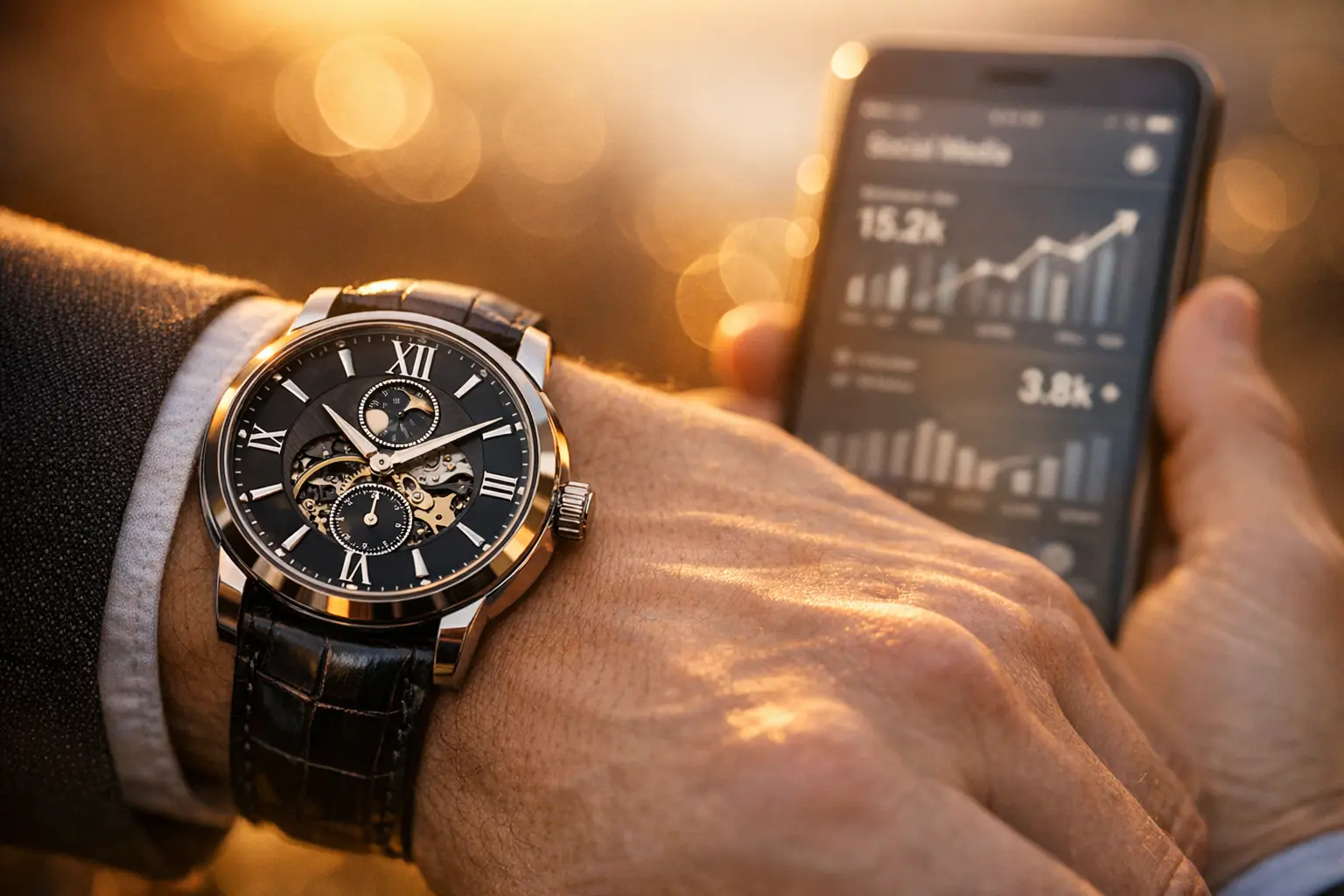
Discovering the best time to post on Instagram feels like chasing a constantly moving target. Your followers span time zones, scroll at unpredictable moments, and have habits that shift with seasons and life circumstances. Yet timing genuinely impacts whether your content gets seen or buried.
This guide moves beyond generic recommendations to help you understand what research suggests about Instagram timing, why your specific industry context matters, and most importantly, how to analyze your own data to find windows that actually work for your audience.
The goal isn’t discovering a magic posting time that works forever. It’s developing analytical skills to continuously optimize as your audience and the platform itself evolve.
How Timing Affects Instagram’s Algorithm
Understanding the mechanics behind timing helps you optimize more strategically. Instagram’s algorithm considers multiple signals when deciding what content to surface, and timing influences several of them.
When you publish, Instagram initially shows your post to a subset of your followers. This controlled distribution serves as a quality test—if early viewers engage through likes, comments, saves, and shares, the algorithm interprets strong signals that your content provides value. This triggers expanded distribution to more followers and potentially to non-followers through explore features and recommendations.
Engagement velocity matters enormously. A post generating rapid interaction in its first thirty to sixty minutes receives dramatically more algorithmic amplification than identical content taking hours to accumulate similar total engagement. Publishing when your audience actively scrolls makes that crucial early velocity achievable.
Instagram also weighs recency in its feed ranking. While the algorithm surfaces older high-performing content, it gives preference to newer posts within certain contexts. Publishing when your audience is online means your content is fresh when they’re browsing rather than hours old and competing against more recent alternatives.
However, quality trumps timing. Exceptional content posted at an unusual time will outperform mediocre content published during supposed peak windows. Think of timing as a multiplier that enhances good content rather than a substitute for substance.
General Research on Instagram Timing
Studies analyzing millions of Instagram posts reveal broad patterns that provide useful starting points, even though your specific audience may differ significantly.
Weekday late mornings show consistently elevated engagement across many studies. The window from roughly 10 AM to noon captures people during work breaks, morning routines winding down, or mid-morning scrolling sessions. This period offers a reliable engagement window for many audiences.
Lunch hours around midday present another reliable opportunity. Whether scrolling during actual lunch breaks or during the post-lunch energy lull, the noon to 2 PM window performs well across diverse audiences.
Evening hours from 7 PM to 9 PM see significant activity as people unwind after work and transition to personal time. Post-dinner scrolling has become deeply habitual for many users, making early evening a high-activity window.
Midweek days—Tuesday through Thursday—often outperform Mondays and Fridays in engagement metrics. Monday sees people catching up from weekends with less leisure scrolling time. Friday afternoons shift attention toward weekend plans. Mid-week finds audiences in their rhythms with mental bandwidth for engagement.
Weekend patterns vary considerably by audience. Some demographics are highly active on weekends with leisure time for extended scrolling. Others are occupied with family activities, travel, or outdoor pursuits and engage less with Instagram. Your specific audience demographics determine weekend viability.
These general patterns offer reasonable hypotheses but shouldn’t be followed blindly. Your followers’ actual behavior matters infinitely more than what aggregate data suggests about average Instagram users.
Industry Context Shapes Optimal Times
Different industries serve audiences with meaningfully different daily rhythms. Generic timing advice ignores these variations that can substantially affect your results.
Business and professional content reaches audiences during work hours when they’re in professional mindsets. B2B followers browse Instagram during work breaks, often seeking industry insights or inspiration. Mid-morning and early afternoon on weekdays align with when professional audiences have both access and attention for career-related content.
Consumer retail and e-commerce content performs when audiences think about purchases. Evening hours and weekends find consumers in shopping mindsets, browsing products and considering purchases. Weekend afternoons and post-work evening scrolling both present opportunities for retail content.
Food and restaurant content benefits from timing around meal decisions. Posting about lunch options around 10-11 AM catches people before they’ve committed to plans. Dinner content performs around 4-5 PM as people begin thinking about evening meals. Weekend brunch content succeeds late Saturday morning when audiences plan their leisure dining.
Fitness and wellness content aligns with when people engage with health goals. Early morning posts reach audience members during or after workouts when motivation peaks. Evening posts catch people planning workouts or reflecting on health intentions.
Creative and artistic content often performs during leisure windows when people seek inspiration. Evening hours, weekends, and lunch breaks all present opportunities when audiences have mental space for aesthetic appreciation.
Travel content thrives during planning windows—often evenings and weekends when people dream about future trips. Pre-vacation periods and seasonal transitions can spike interest in travel inspiration.
These industry patterns offer better starting hypotheses than pure general averages but still require validation against your specific audience data.
Finding Your Own Optimal Windows
The most valuable timing insights come from your own Instagram analytics, not from external research about other people’s audiences. Your followers have specific characteristics that no aggregate study captures.
Access your account’s insights through the Instagram app by navigating to your Professional dashboard. Within Insights, find your audience section, which contains data about when your followers are most active. This shows activity patterns by day and hour based on the actual people who follow you.
Study these patterns to identify peak activity windows. You might discover your audience behaves differently than general research suggests. Perhaps your followers are night owls active well into late evening, or early risers engaging before 7 AM. The data reflects real behavior rather than assumptions.
Beyond follower activity data, analyze your own post performance. Examine your top-performing posts from recent months. Note what time each was published. While content quality varies and affects performance, patterns in timing might emerge—perhaps your best posts were consistently published around similar windows.
Approach this analysis carefully. A single post that happened to be published at an unusual time and performed well might not indicate that time is optimal—exceptional content might explain the performance regardless of timing. Look for patterns across many posts rather than conclusions from individual outliers.
Controlled testing provides the most reliable insights. Select two or three different time slots you hypothesize might work well based on your data analysis. Over several weeks, rotate posting among these slots while keeping content quality consistent. After accumulating sufficient data—at least fifteen to twenty posts per slot—compare engagement rates. The slot showing consistently better performance deserves more of your posting schedule.
Navigating Time Zone Challenges
Audiences spread across time zones create genuine optimization challenges without perfect solutions.
If your audience concentrates in a single time zone—common for local businesses or region-specific content—timing is straightforward. Post according to that time zone’s optimal windows.
When your audience spans two major time zones, you might consider posting twice with different content or refreshed versions. A morning post for Eastern US audiences reaches them during commute scrolling, while similar content posted three hours later catches West Coast followers at their equivalent morning time.
Global audiences resist simple optimization. Content posted at 9 AM in New York means roughly 2 PM in London, 10 PM in Tokyo, and 6 AM in Los Angeles. No single posting time works across such geographic dispersion.
For global audiences, prioritize your largest audience concentration. If 50% of your engaged followers are in North America, optimize for North American time zones and accept that audiences elsewhere will see content at less optimal times for them. Alternatively, post multiple times daily to hit peak windows across different regions—but only if you have sufficient content quality to maintain standards at increased frequency.
Adapting as Patterns Shift
Your optimal posting times will change over time. Treating timing optimization as an ongoing practice rather than a one-time decision keeps your strategy relevant.
Audience composition shifts as you gain new followers with different demographics. The times that worked when your audience was primarily US-based might need adjustment as you grow an international following.
Seasonal patterns significantly affect when people watch Instagram. Summer vacation schedules differ dramatically from school-year routines. Holiday periods disrupt normal work-hour patterns. Life events and cultural moments influence behavior in ways that aggregate data can’t predict.
Platform algorithm changes can shift what timing strategies work best. When Instagram adjusts how it weights recency versus engagement history, optimal tactics might need revision. Staying attentive to your own performance data catches these shifts more reliably than chasing announcements about algorithm updates.
Quarterly reviews of your audience activity data and post performance reveal when patterns have shifted enough to warrant adjusting your strategy. Monthly check-ins during periods of rapid growth or change provide even more timely course corrections.
Timing Different Content Formats
Different Instagram content types might have distinct optimal timing, though this varies by specific audience.
Reels reach beyond your existing followers through Instagram’s discovery features. Timing for Reels should consider when your target audience—not just current followers—uses Instagram. Evening and weekend leisure windows often work well for Reels discovery.
Feed posts primarily reach your existing followers initially. Timing these for your followers’ active windows makes more intuitive sense than optimizing for general Instagram usage patterns.
Stories have 24-hour visibility but position higher in the Stories bar when newer. Posting Stories during active periods means your content appears prominently rather than buried under more recent posts by the time viewers come online.
Carousel posts often encourage deeper engagement than single images. Posting these during windows when your audience has time to swipe through multiple slides—evenings rather than quick break-time scrolling—might improve completion rates.
Live videos require real-time audience availability, making timing particularly crucial. Announce live sessions in advance and schedule them for times your audience data shows consistent activity.
Experimentation reveals which content types have meaningfully different optimal windows for your specific audience.
Scheduling for Optimal Times
Once you’ve identified when to post, scheduling tools ensure you hit those windows consistently even when life prevents manual publishing.
Meta Business Suite provides free scheduling for Instagram when your Professional account is connected to a Facebook Page. Create content, select your optimal publication time, and let the system handle automatic posting. This removes the need to be personally available during peak engagement windows.
Third-party scheduling tools offer additional features like cross-platform publishing, visual calendar planning, and more sophisticated analytics. If you manage multiple platforms or need team collaboration features, these tools might justify their costs despite free native options.
For comprehensive scheduling guidance, see our complete guide on how to schedule Instagram posts.
Scheduling enables systematic timing tests that would be difficult to execute manually. Rotating through time slots according to a test protocol is straightforward when scheduling handles the publishing mechanics.
Conclusion
Finding the best time to post on Instagram requires moving beyond generic recommendations to understanding your specific audience’s actual behavior. General patterns provide starting points, but your own Instagram Insights data reveals when your followers genuinely engage.
Treat timing optimization as an ongoing practice rather than a one-time decision. Regular analysis, controlled testing, and adaptation to changing patterns keep your strategy effective as circumstances evolve.
Once you’ve identified optimal windows, scheduling tools ensure you hit them consistently without requiring personal availability. Learn how to schedule Instagram posts to automate your timing strategy and free yourself from manual publishing constraints.
Frequently Asked Questions
What is the single best time to post on Instagram?
No universal answer exists because audiences vary dramatically. Research suggests late morning and early evening often perform well on average, but your specific audience might differ significantly. Analyze your Instagram Insights data to find when your followers are most active.
Does posting time really affect performance that much?
Timing can meaningfully improve engagement when you reach followers at peak activity windows. However, content quality remains the dominant factor. Think of optimal timing as amplifying good content rather than rescuing poor content.
How do I find when my specific followers are online?
Access Instagram Insights through your Professional dashboard on the app. Navigate to your audience section to see follower activity patterns by day and hour based on your actual followers' behavior.
Should I post at the same time every day?
Consistency provides some value, but rigid identical timing might miss opportunities. If your audience shows different activity patterns on different days, adjust accordingly. Consistency in quality and frequency matters more than exact timing consistency.
How often should I reevaluate my posting times?
Review your timing strategy quarterly or when you notice meaningful changes in post performance. Major audience demographic shifts, seasonal changes, and algorithm updates all warrant reevaluation. Monthly check-ins during rapid growth periods catch shifts earlier.